Navigating Family Secrets: The Importance of Home Paternity Tests
At-home paternity tests have emerged as a widely used resource for those who wish to resolve questions about their biological ties. These kits present a confidential method for resolving questions about biological lineage. Yet, the findings can introduce unforeseen emotional difficulties. When individuals encounter concealed realities, they frequently must navigate difficult choices regarding their connections. Recognizing the consequences that these tests may carry is absolutely necessary. What unfolds next may reshape the very fabric of their family dynamics.
Why Do People Turn to Home Paternity Testing?
Why do individuals increasingly seek home paternity testing? Many people are driven by a desire for certainty regarding parental identity. The availability and cost-effectiveness of these tests have rendered them attractive choices for those dealing with uncertainties or family conflicts. Moreover, the convenience of conducting these tests at home, away from the scrutiny of medical facilities, offers a sense of privacy and control.
Psychological elements also have a major impact; uncertainty about a child's parentage can lead to anxiety and distress. Home paternity tests provide a straightforward solution to address these concerns, commonly enabling individuals to address complex family circumstances. Additionally, social stigma surrounding paternity issues has diminished, encouraging open discussions and prompting individuals to seek clarity. Overall, residential paternity testing has proven to be an essential solution for those looking for clarity in complicated family dynamics.
The Scientific Principles of Home Paternity Tests
At-home paternity tests rely on sophisticated genetic analysis methods to establish biological connections. It is essential to understand the accuracy and reliability of these tests, as a range of variables can impact test results. Furthermore, the specimen gathering procedure has a major impact on guaranteeing accurate results.
An Overview of Testing Methodologies
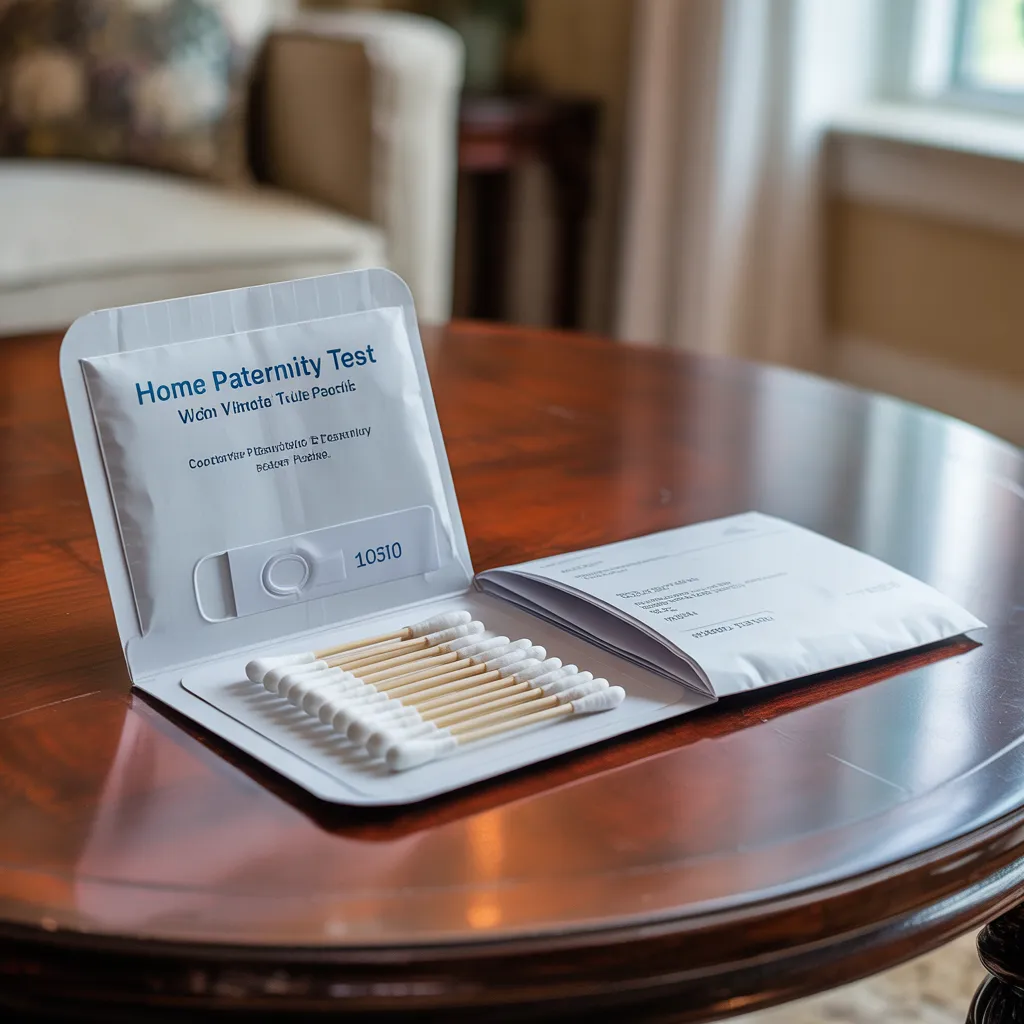
Numerous analytical techniques form the foundation of the science of home paternity tests, guaranteeing accurate and reliable results. Primarily, these tests use DNA collection methods, where cheek swabs obtain cheek cells from both parties involved. This gentle method enables easy at-home collection. view now The samples are then analyzed using PCR-based analysis, duplicating particular genetic sequences to confirm familial bonds. Certain tests additionally utilize STR-based methodology, examining several DNA loci to calculate paternity likelihood. With advancements in genomic testing methods, home paternity tests are increasingly more accessible, enabling individuals to investigate biological relationships without requiring specialized laboratory facilities.
Accuracy and Reliability Factors
While many factors influence the reliability and accuracy of residential paternity tests, the standard of the sample collection procedure is critical. The reliability of the findings relies on obtaining uncontaminated samples from the individuals involved. Factors such as the type of biological material used—typically saliva or cheek swabs—may influence the test's results. Additionally, the handling and storage of samples before testing are critical; unsuitable conditions may result in sample degradation or contamination. Testing facilities employ sophisticated DNA examination techniques, however findings can only be as precise as the collected specimens allow. As a result, maintaining proper collection standards and following provided guidelines greatly influences testing accuracy, and ultimately confirming the credibility of the paternity conclusions.
Specimen Collection Process
Collecting samples for a paternity test is a critical step that directly impacts the accuracy of the results. Commonly, a home paternity test involves collecting buccal swabs from the relevant parties, usually the child and the potential father. This technique is preferred due to its minimally intrusive process. Users must confirm that the swabs are collected correctly, in accordance with the instructions supplied by the testing kit, which usually requires rubbing the swab inside the cheek for several seconds. Proper handling is essential; samples must not be contaminated or brought into contact with foreign substances. Once gathered, the swabs are sealed in designated containers and dispatched to the laboratory for testing. Complying with these recommendations improves the accuracy of the test results.
Feelings and Reactions to Paternity Test Results
After obtaining paternity test results, individuals often grapple with a variety of emotional responses, especially when results deviate from what was anticipated. Shock and disbelief may arise, making the initial response more difficult and influencing family dynamics. Recognizing these emotional reactions is vital to navigating the consequences of the results and its effects on family and interpersonal bonds.
Preparing for Unforeseen Results
How can one prepare for the emotional turmoil that commonly arises from paternity test results? People navigating these experiences should acknowledge the possibility of unexpected outcomes, as these results can produce a variety of emotional responses. Preparing for feelings like shock, anger, or relief can lessen the blow of these revelations. It is essential to create a supportive network—whether through trusted friends or family—where feelings can be shared without judgment. Furthermore, recognizing that these results may challenge long-held beliefs about identity and relationships can build emotional strength. Preparing oneself mentally and emotionally may not remove all pain, but it can create the foundation for healthier processing of the information. In the end, being conscious of possible emotional challenges is a vital element in managing this challenging journey.
Managing Shock and Denial
Shock and denial often serve as immediate, instinctive reactions to the results of a paternity test. Individuals may initially struggle to accept the findings, grappling with feelings that range from disbelief to confusion. This inner turmoil can appear as an unwillingness to recognize the test results, causing people to doubt the reliability of the process or the intentions driving it. The initial shock may cause a brief state of paralysis, making it challenging to comprehend the consequences of the results. Throughout this stage, inner conversations may revolve around "What ifs" and "How is this possible?" As time moves forward, people may gradually start to face their feelings, yet the original disbelief may persist, making the path to acceptance and comprehension more difficult.
Managing Family Relationships After Testing
As people struggle with the emotional fallout of paternity test results, family bonds can become progressively strained. The revelation of unexpected biological ties can lead to emotions of betrayal, disorientation, and resentment. Bonds that previously appeared solid may shatter beneath the burden of new realities, as family members navigate their emotional responses uniquely. Some may desire candid discussion, while others pull back into seclusion, further complicating communication. Trust issues often emerge, with people doubting previous encounters and the genuineness of their bonds. The consequences can spread beyond the nuclear family, affecting extended relatives who may feel compelled to take sides. In the end, navigating these challenging circumstances demands compassion and understanding as family units address their emotional reactions and work toward reconciliation.
Ethical Dilemmas in Paternity Testing
Whereas paternity testing serves as a method to confirm biological ties, it also raises significant ethical dilemmas that can impact families deeply. One significant worry is the likelihood of psychological distress, particularly if the test reveals unexpected results. This discovery can disturb established family structures, leading to emotions of deception or uncertainty among family members. Furthermore, the decision to test without the consent of all parties involved poses ethical questions regarding autonomy and respect for privacy.
Furthermore, the widespread availability of at-home paternity testing kits can lead to misinterpretation or misuse of results, amplifying feelings of mistrust. There is also the possibility of parties using these tests to manipulate family dynamics for self-serving motives. These complications underscore the need for careful consideration and transparent discussion before proceeding with testing. Ultimately, maneuvering through these ethical dilemmas requires thoughtfulness to the psychological impact and an understanding of the delicate fabric of familial bonds.
Picking the Right Home Paternity Test for You
Selecting the ideal home paternity test demands thorough consideration of multiple aspects that can significantly impact the precision and dependability of outcomes. Potential users should begin by evaluating the need to evaluate the credibility of the test provider, checking for accreditations and favorable user feedback. Furthermore, the kind of test provided is essential; various kits deliver more thorough analyses than alternative options. Moreover, users should check whether the test contains a DNA collection kit and clear instructions to ensure correct specimen collection.
Cost can also play a deciding role; however, selecting the lowest-priced option may affect quality. Moreover, knowing the turnaround time for results is essential, most notably in time-critical circumstances. In addition, people may want to examine the privacy policies of the testing company to guarantee their details remain private. By thoroughly considering these factors, people can choose a home paternity test that suits their requirements and delivers dependable, precise results.
Interpreting Your Test Results
How should individuals go about properly interpreting the findings of their at-home paternity test? Correctly interpreting these findings demands careful attention and familiarity with the testing procedure. Generally, findings are shown as a probability percentage that represents the chance of paternity. A probability of 99.9% or higher generally confirms a father-child relationship, while results below 99% suggest non-paternity.
It is crucial to examine the reputation of the testing company and the procedures utilized; results may vary among providers. Additionally, consumers should note that home tests are not legally binding and may differ from court-admissible tests.
Understanding results may also require knowledge of genetic markers and their inheritance patterns. Seeking guidance from a genetic counselor or healthcare professional can offer clarity, especially when unexpected results emerge. Ultimately, a thorough understanding of the testing process and results fosters more informed decisions regarding family relationships.
Handling the Aftermath of Paternity Test Results
Reviewing paternity test results can evoke a variety of emotions, from reassurance to uncertainty or even turmoil. Individuals often find themselves navigating unexpected truths that can reshape household relationships. Supportive measures become critical in handling these challenging reactions.
First and foremost, connecting with trusted friends or loved ones can provide a sense of community and understanding. Professional therapy can also provide a secure environment to work through emotions and build coping strategies. Journaling can serve as a therapeutic outlet, allowing individuals to articulate their thoughts and feelings.
Additionally, engaging in self-care practices—such as working out, meditating, or pursuing interests—can aid in alleviating stress and supporting emotional wellness. It is essential for people to permit themselves time to acclimate, recognizing that processing such significant information is often a gradual journey. In the end, cultivating transparent dialogue within the family can encourage healing and understanding going forward.
Commonly Asked Questions
Are Home Paternity Tests Legally Admissible in Court?
At-home paternity tests are commonly not legally admissible in court due to issues of chain of custody violations and contamination risks. Legal courts typically mandate tests conducted by accredited laboratories for court-related purposes to confirm precise and dependable results.
What Is the Accuracy of Home Paternity Tests Versus Lab Tests?
At-home paternity tests generally provide 95-99% accuracy, on par with professional lab testing. However, variations in collection methods and testing protocols may impact the accuracy of results, making professional lab tests largely more trustworthy and recommended for legal purposes.
Are Home Paternity Tests Able to Identify Other Family Relationships?
Home paternity tests primarily focus on biological parentage; however, some are capable of revealing additional family connections, such as connections between siblings or grandparents. The accuracy of these supplementary relationship results can vary, often requiring further analysis for definitive conclusions.
What Should I Do if Results Are Inconclusive?
If results are inconclusive, one should consider seek a professional test for precise analysis. Consulting a geneticist or counselor can provide clarity and support in comprehending the significance of the ambiguous findings.
Are There Age Restrictions for Taking a Home Paternity Test?
At-home paternity tests typically have no age-related restrictions for the individuals involved. That said, it's advisable that underage participants obtain consent from a legal guardian or parent before proceeding with the test, ensuring all ethical factors are taken into account during the process.