The Next Era of Paternity Testing: Innovations in Home Kits
Paternity testing is undergoing rapid evolution, especially with the growing popularity of at-home testing kits. These developments bring improved privacy, convenience, and ease of access. Enhanced DNA analysis and mobile app integration are on the horizon. With changing societal perspectives, more people are looking for answers regarding parentage concerns. This transformation raises important questions about reliability and ethical implications, encouraging a deeper look at how these developments will shape family relationships in the future.
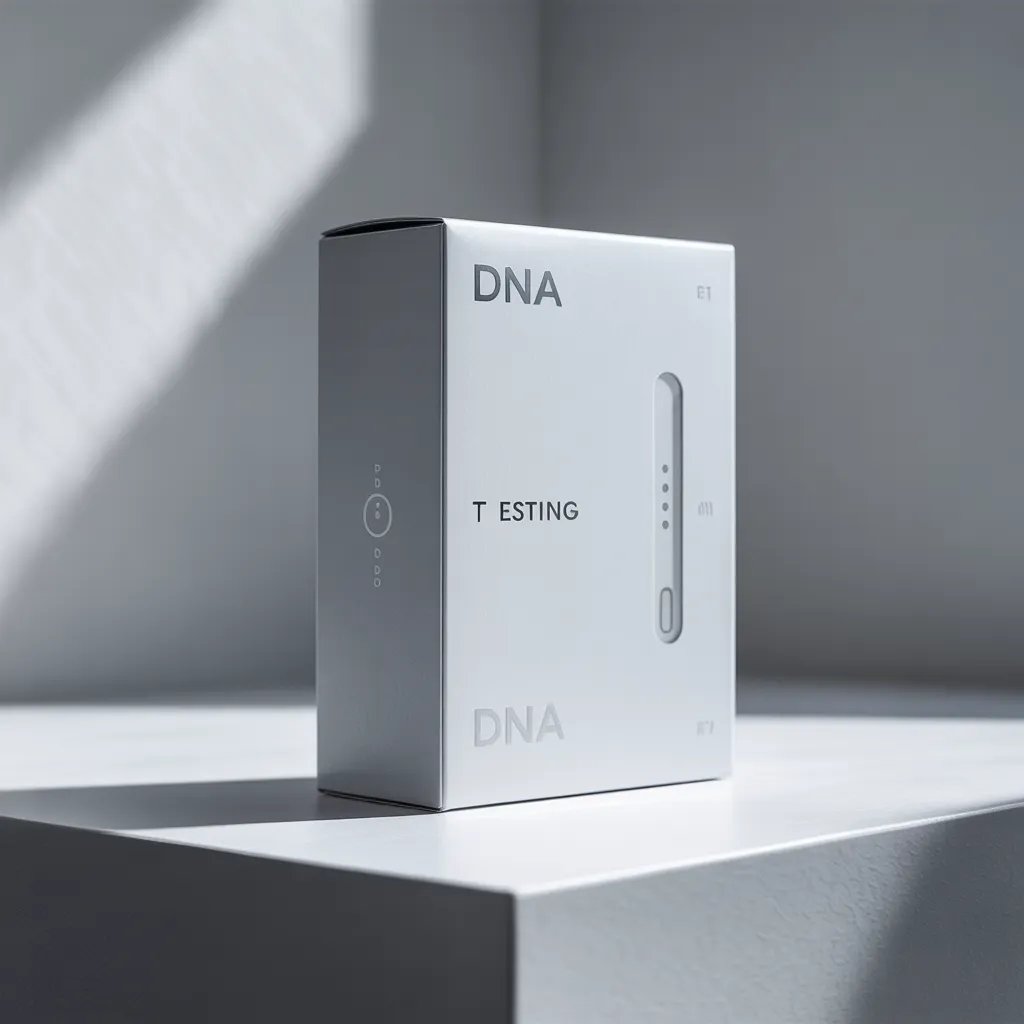
The Increasing Popularity of Home Paternity Testing Kits
The rise of residential paternity test kits has transformed the domain of DNA testing, providing individuals a convenient and private solution for identifying genetic relationships. These kits, easily obtainable in stores and online, enable users to gather DNA specimens from their children and themselves without the need for professional assistance. The ease of the procedure has broadened access to paternity testing, enabling people to answer questions about parentage from the privacy of their own homes.
Advancements in technology and packaging have elevated the reliability and accuracy of findings, frequently delivering insights within a matter of days. Moreover, the cost-effectiveness of these testing kits has expanded availability to a broader audience, diminishing the social barriers linked to pursuing these tests. As cultural expectations change, the increasing demand for at-home paternity test kits signals a rising desire for personal autonomy and transparency in matters of family and identity.
A Step-by-Step Guide to Using Home Paternity Testing Kits
A great number of users consider using at-home paternity test kits uncomplicated and accessible. To begin, they must confirm they possess all required items, usually comprising collection swabs, a sample envelope, and comprehensive instructions. They are then required to gather DNA specimens, typically by using oral swabs, ensuring the procedure is efficient and complete to prevent contamination.
Following this, individuals should closely follow the provided guidelines for labeling and sealing the specimens. Proper labeling is essential for ensuring sample integrity. Upon preparation of the samples, the specimens should be positioned in the supplied envelope and mailed to the designated lab, typically utilizing the pre-paid shipping options provided in the kit.
Following the mailing process, people can expect to wait a few days to several weeks for their results, which are usually obtainable through the company's website or by reaching out to the testing service directly. Completing these steps ensures a straightforward experience with residential paternity testing kits, facilitating reliable results in a convenient setting.
How Dependable Are At-Home Paternity Tests?
How dependable are home-based paternity tests? The trustworthiness of these tests largely rests on the kit's quality and the correctness of the sample collection procedure. The majority of well-regarded home paternity tests report accuracy rates of over 99%, as long as the instructions are carefully adhered to. However, potential variables, such as sample contamination or improper handling, can affect results.
Additionally, while a number of testing kits utilize sophisticated DNA analysis technologies, not all are created equal. Consumers should look for tests that are accredited by recognized laboratories, verifying stringent standards in testing and validation.
It should be noted that although home tests provide convenience and privacy, they may not be admissible in legal situations. Consequently, individuals seeking definitive answers for legal purposes should consider professional testing. In general, home paternity tests have the potential to be accurate, however users should handle them with care and careful judgment.
Exploring Legal and Ethical Considerations in Home Paternity Testing
Home paternity tests, while convenient and private, raise significant legal and ethical considerations that consumers need to be aware of. A key issue is the risk of improper use, such as fraudulent claims or disagreements concerning child custody and financial support matters. The accuracy of results may also affect legal processes, as legal authorities may not acknowledge home test outcomes in the absence of proper authentication.
From an ethical standpoint, individuals encounter moral challenges related to consent, especially when minors are involved. Proceeding with testing in the absence of full consent from all individuals has the potential to cause fractured relationships and psychological anguish. Furthermore, the mental and emotional impact of discovering unforeseen parentage can be far-reaching, reshaping family structures and the sense of self for those involved.
Furthermore, the insufficient regulation in the home testing market prompts concerns about the reliability of the results offered. Individuals must be vigilant, ensuring they comprehend the impact of the results and the potential impact on their lives and relationships.
How Convenient Testing Is Reshaping Family Relationships
Revolutionizing familial structures, easy access to paternity testing has changed the way individuals navigate questions of parentage and family ties. With at-home testing options widely accessible, individuals can now find clarity on questions about biological ties without the time-consuming procedures historically linked to such inquiries. This ease of access encourages transparency in familial relationships, promoting honest dialogue about parentage.
Consequently, the social stigma surrounding paternity uncertainties lessens, enabling families to address issues that may have gone unresolved for extended periods. The chance to establish parentage can foster more resilient relationships among family members, as questions are addressed. However, this accessibility of testing also raises new complications; unforeseen findings can disrupt once-harmonious relationships. As families process these complications, the balance between awareness and emotional consequences becomes essential. Fundamentally, easy testing is reshaping narratives about self-identity, reliance, and belonging, establishing an shifting environment in family dynamics.
Questions We Often Receive
Are Home Paternity Tests Accepted in Court?
At-home paternity tests are generally inadmissible in court owing to questions surrounding accuracy and chain of custody. Legal proceedings commonly require testing performed by similar resource accredited laboratories to guarantee adherence to standards and reliability.
Are Paternity Tests Possible for Pets?
Pets are able to undergo paternity testing through DNA analysis, which identifies genetic ties. Such tests examine particular markers to establish ancestry, giving breeders and pet owners important details about heritage and health-related matters.
What Are the Typical Costs for Home Kits?
At-home paternity test kits typically range from $100 to $300, depending on the brand and type of test. Pricing may differ based on extra features, such as rush results or supplementary sample collection choices.
How Long Does It Take to Receive Results?
Results from home paternity testing kits typically take from several days up to two weeks. Delays may occur depending on how quickly the laboratory processes samples and the dependability of the postal service used to send them.
Do Age Restrictions Apply to Testing?
Age-related requirements for paternity testing generally vary based on the provider's guidelines. Typically, those under the age of majority may need parental approval, while adults can proceed without limitations. It's essential to check specific guidelines for each testing service.