The Future of Paternity Testing: Innovations in Home Kits
The future of paternity testing is evolving rapidly, especially with the growing popularity of at-home testing kits. These innovations promise greater privacy, convenience, and accessibility. Advanced DNA analysis and mobile app connectivity are becoming a reality. As societal attitudes shift, individuals are increasingly seeking clarity on parentage issues. This evolution prompts significant inquiries about dependability and ethical consequences, prompting a closer examination of how these advancements will influence family dynamics moving forward.
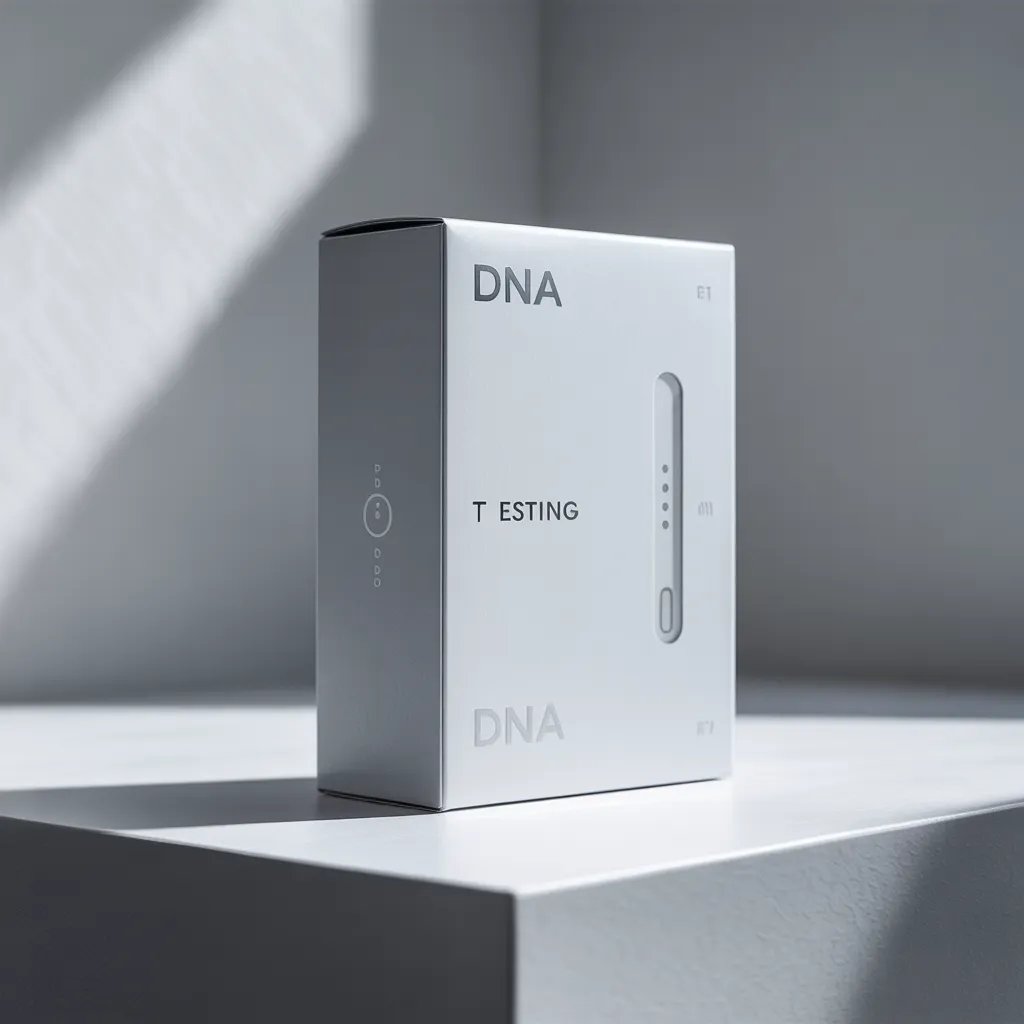
The Increasing Popularity of Home-Based Paternity Testing Kits
The emergence of residential paternity test kits has transformed the domain of genetic testing, offering individuals a discreet and accessible solution for establishing biological connections. These testing kits, easily obtainable in stores and online, enable users to collect DNA samples from their children and themselves without any need for expert guidance. The ease of the procedure has made more accessible paternity testing, allowing individuals to address parentage concerns in the comfort of their homes.
Innovations in packaging and technological design have enhanced the precision and dependability of results, frequently delivering information within a few days. Furthermore, the cost-effectiveness of these home kits has expanded availability to a broader audience, alleviating the stigma associated with obtaining such testing. As cultural expectations change, the increasing demand for at-home paternity test kits reflects a rising desire for transparency and personal autonomy in questions of family and personal identity.
How to Use Home Paternity Testing Kits: A Step-by-Step Guide
Numerous people find the process of using residential paternity testing kits simple and easy to use. Initially, participants should ensure they have all required items, which generally consist of swabs, a collection envelope, and detailed instructions. Users must proceed to obtain DNA samples, commonly via buccal swabs, making sure that the process is quick and thorough to avoid contamination.
Next, individuals should closely follow the accompanying instructions for labeling and sealing the specimens. Precise labeling is critical for preserving sample integrity. After the samples have been prepared, they should be placed in the provided envelope and sent to the designated laboratory, often using pre-paid shipping options included in the kit.
After mailing, individuals typically wait several days to weeks for the findings, which may be accessible online or through direct communication with the testing company. Adhering to these steps supports a hassle-free interaction with home-based paternity testing kits, allowing for reliable results in a comfortable setting.
What Is the Reliability of Home Paternity Tests?
How reliable are at-home paternity tests? The dependability of these tests primarily depends on the quality of the testing kit and the precision of the sample collection method. The majority of well-regarded home paternity tests report accuracy rates of over 99%, as long as the instructions are carefully adhered to. Nevertheless, certain factors, including sample contamination or incorrect handling, may influence the outcomes.
Moreover, while numerous kits use sophisticated DNA testing technologies, not all are of the same quality. Customers should look for tests that are accredited by established laboratories, confirming rigorous standards in quality testing and verification.
It should be noted that despite home tests offering both convenience and privacy, they are often not recognized in legal contexts. Consequently, people who need authoritative answers for legal reasons should opt for professional testing. On the whole, home paternity tests have the potential to be accurate, but users must approach them with caution and discernment.
Exploring Legal and Ethical Considerations in Home Paternity Testing
At-home paternity tests, while convenient and private, raise significant legal and ethical considerations that users must navigate. A primary concern is the potential for misuse, including fraudulent claims or disputes regarding custody and child support. The accuracy of results can also impact legal proceedings, as judges may fail to accept at-home test results without adequate verification.
On an ethical level, people are confronted with ethical dilemmas concerning consent, especially when minors are involved. Proceeding with testing in the absence of full consent from all individuals may result in damaged relationships and significant emotional turmoil. Additionally, the psychological implications of discovering unexpected parentage can be profound, reshaping family structures and the sense of self for those find out more involved.
In addition, the absence of regulatory control in the at-home testing market calls into question the accuracy of the data presented. Users must be cautious, ensuring they are aware of the implications of the results and the potential impact on their daily lives and interpersonal relationships.
How Easy Testing Is Shaping Family Relationships
Reshaping household relationships, convenient access to paternity testing has changed the way individuals navigate questions of parentage and family ties. With at-home testing options widely accessible, individuals can now find clarity on questions about biological ties without the extensive steps conventionally required for such investigations. This ease of access encourages openness within family dynamics, promoting candid conversations about biological origins.
As a result, the negative perception associated with paternity uncertainties lessens, encouraging families to confront concerns that may have been hidden for a long time. The capacity to validate parentage can foster stronger bonds among family members, as questions are addressed. However, this simplicity of the testing process also presents new obstacles; surprising outcomes can disrupt previously stable relationships. As families manage these difficulties, the harmony between awareness and emotional consequences becomes essential. Fundamentally, easy testing is revolutionizing narratives about self-identity, confidence, and inclusion, establishing an dynamic landscape in family dynamics.
Popular Questions Answered
Do Courts Accept Home Paternity Tests?
Home-based paternity tests are typically inadmissible in court owing to issues regarding reliability and chain of custody. Legal cases generally require tests conducted by accredited laboratories to establish accuracy and compliance with established standards.
Are Paternity Tests Possible for Pets?
DNA testing can be used to determine paternity in pets, which establishes genetic relationships. Specific genetic markers are analyzed in these tests to verify lineage, offering valuable information for breeders and pet owners regarding ancestry and health considerations.
What Is the Cost Range for Home Kits?
At-home paternity test kits generally cost anywhere from $100 to $300, depending on the specific brand and testing complexity. Prices may vary according to additional features, such as rush results or supplementary sample collection choices.
How Long Do Results Take to Receive?
Home paternity testing kit results generally take from several days up to two weeks. Processing times may vary based on how quickly the laboratory processes samples and the dependability of the postal service used to send them.
Are There Age Restrictions for Testing?
Age-related requirements for paternity testing generally vary based on the provider's guidelines. Typically, those under the age of majority may need parental approval, while adults can proceed without limitations. It is important to review the specific requirements of each testing service.