Navigating Family Secrets: The Role of Home Paternity Tests
At-home paternity tests have emerged as a widely used resource for those who wish to resolve questions about their biological ties. These kits present a confidential method for resolving questions about biological lineage. However, the results can bring unexpected emotional challenges. As families come face to face with long-buried facts, they are often left with challenging determinations about their bonds. Grasping the full impact of such results is critically important. Whatever comes next has the potential to transform the core foundation of their family unit.
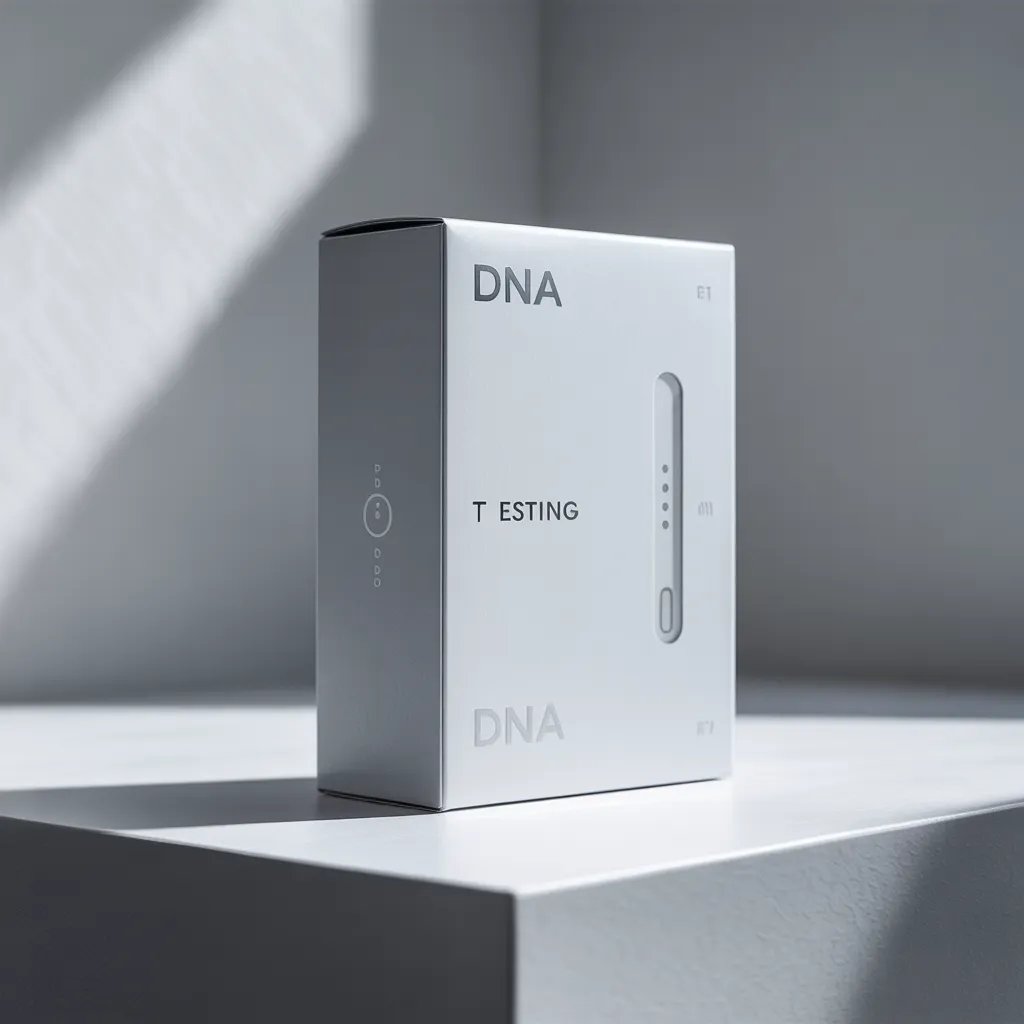
Why Are People Choosing Home Paternity Testing?
What drives people to increasingly pursue home paternity testing? A large number of people are compelled by the pursuit of certainty surrounding parental identity. The ease of access and reasonable pricing of these tests have turned them into popular solutions for individuals facing doubts or family disagreements. Additionally, the ease of carrying out these tests at home, removed from the watchful eye of healthcare settings, delivers a heightened sense of confidentiality and personal control.
Emotional factors also play a significant role; doubt about a child's biological origins can result in anxiety and emotional turmoil. Home paternity tests provide a straightforward solution to address these concerns, frequently giving people the confidence to face challenging familial situations. Moreover, societal judgment regarding paternity matters has lessened, fostering honest conversations and motivating people to pursue answers. In the end, at-home paternity testing has become an invaluable resource for individuals navigating difficult family circumstances.
The Science Behind Home Paternity Tests
Home paternity tests utilize cutting-edge genomic testing techniques to identify biological ties. Grasping the precision and dependability of these tests is crucial, as numerous factors may affect outcomes. Moreover, the sample acquisition method is critically important for securing reliable findings.
An Overview of Testing Methodologies
Numerous analytical techniques support the accuracy of home paternity tests, ensuring accurate and reliable results. In most cases, these tests employ DNA gathering processes, where oral swabs retrieve cheek cells from the child and the potential father. This minimally intrusive method supports easy at-home collection. The specimens are then examined using PCR technology, expanding particular genetic sequences to establish biological connections. Some tests may also employ short tandem repeat (STR) analysis, comparing multiple loci on the DNA to calculate the likelihood of biological parentage. With innovations within genetic analysis capabilities, home paternity tests are now widely available, enabling individuals to investigate biological relationships eliminating the need for expert laboratory involvement.
Precision and Dependability Factors
Although numerous factors affect the precision and dependability of at-home paternity tests, the standard of the sample collection procedure is critical. The accuracy of the outcomes depends on collecting pure and untainted samples from each individual tested. Elements including the kind of biological specimen collected—commonly oral swabs or saliva samples—could impact the accuracy of the findings. Moreover, the management and storage conditions of samples before analysis are vital; improper conditions can lead to degradation or contamination. Research laboratories apply cutting-edge DNA analysis procedures, however findings can only be as precise as the collected specimens allow. Consequently, adhering to correct collection procedures and manufacturer instructions significantly affects test reliability, and ultimately confirming the credibility of the paternity conclusions.
Collection Process Overview
Obtaining samples for paternity testing is a crucial step that directly impacts the accuracy of the results. Typically, a home paternity test involves collecting buccal swabs from the people being tested, usually the child and the alleged father. This method is favored due to its non-invasive characteristics. Users must guarantee that the swabs are collected correctly, following the instructions provided by the testing kit, which usually involves rubbing the swab inside the cheek for a short period of time. Proper handling is essential; samples must not be contaminated or exposed to foreign substances. Once collected, the swabs are sealed in the supplied containers and dispatched to the laboratory for examination. Following these recommendations enhances the accuracy of the test findings.
Feelings and Reactions to Paternity Test Results
Upon receiving paternity testing results, people frequently struggle with a range of emotions, especially when findings do not align with expectations. Shock and disbelief may arise, complicating the initial reaction and influencing family dynamics. Understanding these emotional responses is vital to managing the aftermath of the test and its effects on family and interpersonal bonds.
Navigating Unanticipated Outcomes
How can one prepare for the emotional turmoil that often accompanies paternity test results? Individuals facing such situations should acknowledge the possibility of unexpected outcomes, as these results can lead to a spectrum of emotions. Preparing for feelings like shock, anger, or relief can reduce the emotional weight of these revelations. Building a supportive space—whether through trusted friends or family—where feelings can be freely expressed. Furthermore, recognizing that these results may challenge long-held beliefs about identity and relationships can encourage inner fortitude. Taking time to prepare psychologically may not remove all pain, but it can create the foundation for a more constructive approach to handling the information. At its core, recognizing likely psychological difficulties is a vital element in managing this challenging journey.
Overcoming Shock and Denial
Disbelief and denial commonly function as instant, natural responses to the results of a paternity test. People may find it difficult to accept the results at first, grappling with feelings that range from disbelief to confusion. This emotional turmoil can manifest as a refusal to acknowledge the test results, leading individuals to challenge the precision of the test or the reasoning behind it. The shock can lead to a temporary paralysis, making it challenging to comprehend the consequences of the results. In this period, personal reflections may center on "What ifs" and "How can this be?" Over time, individuals may begin to slowly address their emotions, but the initial shock can linger, complicating the journey toward acceptance and understanding.
Understanding Family Dynamics After the Test
As people struggle with the psychological aftermath of paternity test results, family dynamics can become increasingly strained. The revelation of unexpected biological ties can lead to feelings of betrayal, confusion, and anger. Connections that once felt secure may crumble under the pressure of newfound truths, as relatives handle their feelings in different ways. Some may pursue honest conversation, while others withdraw into quietude, making meaningful communication even more difficult. Trust issues often emerge, with family members scrutinizing prior interactions and the sincerity of their connections. The consequences can spread beyond the nuclear family, affecting extended relatives who may feel compelled to take sides. At its core, working through these difficult situations calls for empathy and perseverance as households process their feelings and strive toward mutual understanding.
Moral Challenges in Paternity Testing
While paternity testing offers a means to establish biological relationships, it also raises substantial ethical concerns that can profoundly affect families. One major concern is the potential for emotional distress, particularly if the test uncovers surprising findings. This revelation can disrupt family dynamics, leading to a sense of mistrust or bewilderment within the family. Furthermore, the choice to proceed with testing absent the agreement of everyone concerned poses moral dilemmas surrounding personal freedom and the right to privacy.
Furthermore, the widespread availability of home paternity tests can lead to misinterpretation or misuse of test outcomes, intensifying feelings of suspicion. There is also the possibility of individuals using these tests to manipulate family dynamics for selfish purposes. These challenges highlight the need for thoughtful deliberation and honest dialogue before proceeding with any testing. Ultimately, maneuvering through these ethical dilemmas requires thoughtfulness to the emotional consequences and an awareness of the intricate web of family relationships.
Choosing the Best Home Paternity Test for Your Needs
Choosing the ideal home paternity test requires thoughtful evaluation of numerous aspects that can greatly impact the accuracy and reliability of outcomes. Those considering the test should begin by evaluating the need to assess the credibility of the test provider, seeking out positive customer reviews and certifications. Additionally, the kind of test provided is vital; various kits deliver more thorough analyses than alternative options. Additionally, individuals should verify whether the test comes with a DNA sampling kit along with detailed instructions to secure correct specimen collection.
Price can also be a deciding factor; however, selecting the lowest-priced option may affect quality. Moreover, knowing the turnaround time for results is essential, particularly in urgent situations. Lastly, individuals may wish to review the privacy policies of the testing provider to ensure their personal data stays protected. By thoughtfully assessing these elements, individuals can select a home paternity test that meets their needs and provides reliable, accurate outcomes.
Making Sense of Your Test Results
How can individuals accurately interpret the results of their home paternity test? Understanding these results requires attention to detail and knowledge of the testing process. Generally, findings are shown as a probability percentage that represents the chance of paternity. When the probability reaches 99.9% or above, it typically confirms a paternal connection, whereas results falling below 99% indicate non-paternity.
It's important to evaluate the testing company's credibility and the methodology used; results may vary among providers. Additionally, individuals should be aware that home detailed article testing kits are not legally enforceable and may not meet the standards of court-admissible tests.
Interpreting results can also involve understanding genetic markers and their inheritance patterns. Speaking with a genetic counselor or qualified medical expert can bring clarity, particularly when unforeseen results surface. In the end, a comprehensive understanding of the testing process and its results supports better-informed decisions concerning family relationships.
Handling the Aftermath of Paternity Test Results
Reviewing paternity test results can trigger a range of emotions, from relief to disorientation or even turmoil. Those involved often find themselves grappling with unexpected revelations that can transform family dynamics. Management techniques become necessary in maneuvering these challenging feelings.
Firstly, connecting with trusted friends or loved ones can foster a sense of community and belonging. Seeking professional counseling can offer a safe and structured space to address emotions and establish coping techniques. Journaling can serve as a therapeutic outlet, allowing individuals to articulate their thoughts and feelings.
In addition, incorporating self-care activities—such as exercise, meditation, or hobbies—can help mitigate stress and promote emotional well-being. Individuals should allow themselves adequate time to adapt, recognizing that processing such significant information is often a gradual journey. In the end, supporting candid discussion within the family can strengthen healing and provide direction for the future.
Common Questions and Answers
Are Home Paternity Tests Legally Admissible in Court?
Home-based paternity tests are typically not legally admissible in court due to concerns regarding chain of custody violations and contamination risks. Legal courts commonly demand testing performed by accredited laboratories for court-related purposes to ensure reliability and accuracy.
What Is the Accuracy of Home Paternity Tests Versus Lab Tests?
Home-based paternity tests commonly deliver an accuracy rate of 95-99%, on par with lab tests. That said, inconsistencies in the sample collection process and testing methods may impact the accuracy of results, making laboratory tests typically more dependable and better suited for legally binding situations.
Are Home Paternity Tests Able to Identify Other Family Relationships?
At-home paternity tests are mainly designed to determine biological parent-child relationships; however, certain tests can also identify other familial relationships, such as connections between siblings or grandparents. The accuracy of these supplementary relationship results can vary, frequently necessitating additional testing for conclusive results.
What Steps Should I Take if Results Are Inconclusive?
When results remain inconclusive, it is advisable to seeking a professional test for accurate analysis. Consulting a geneticist or counselor can provide clarity and support in understanding the implications of the uncertain results.
Are There Age Restrictions for Taking a Home Paternity Test?
Home-based paternity tests usually do not impose age limitations for the individuals involved. Nevertheless, it's advisable that those under the age of 18 obtain consent from a parent or guardian before testing, so as to ensure all ethical factors are taken into account at every stage of the process.