Get Credentialed as a Nursing Assistant With Knowledgeable CNA Education
Becoming a Certified Nursing Assistant (CNA) presents considerable strengths in the healthcare field. With skilled training, individuals acquire essential skills and knowledge necessary for superior patient care. The surging demand for CNAs guarantees job longevity and potential career development. Understanding the training process and certification requirements is crucial. What factors should prospective CNAs assess as they launch on this path? Delving into this can illuminate the journey ahead.
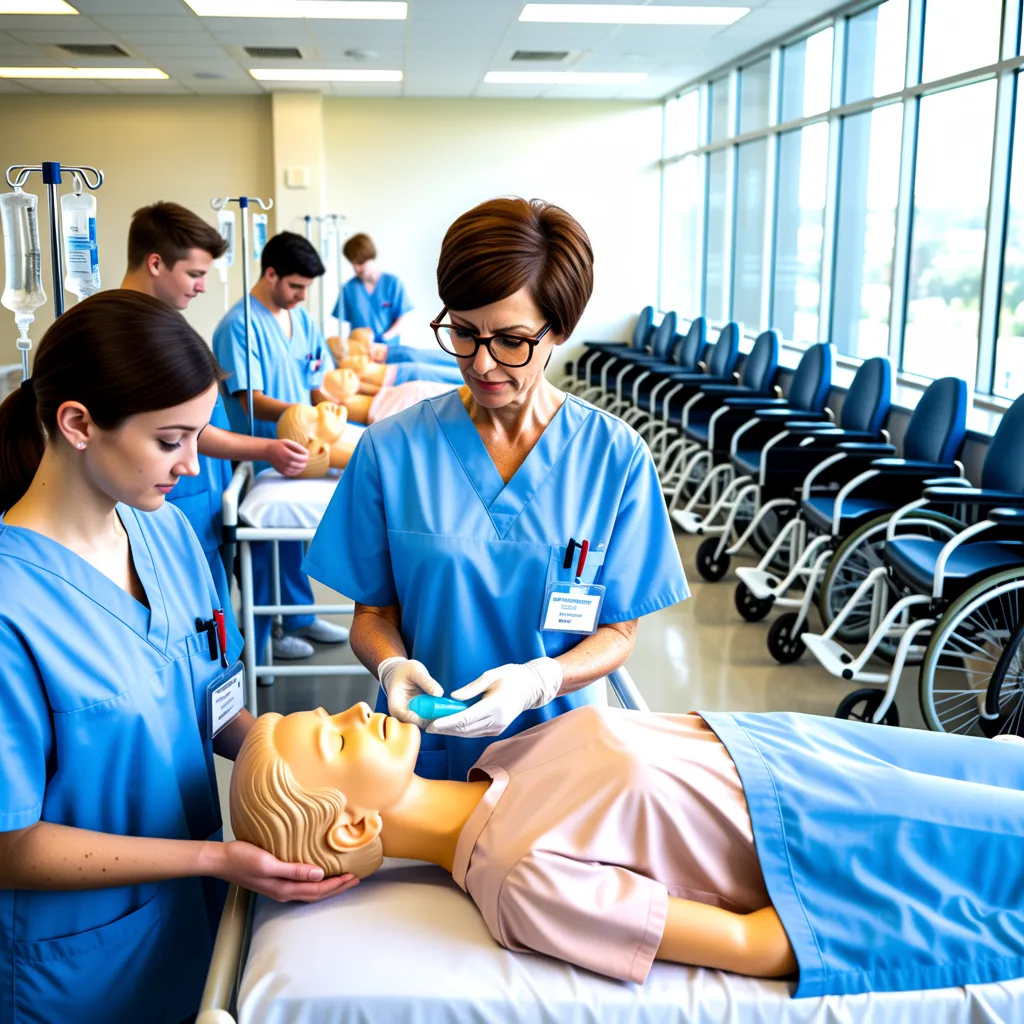
Primary Motivations to Start a Career as a CNA
Becoming a Certified Nursing Assistant offers numerous advantages that attract individuals seeking a fulfilling career in healthcare. One important benefit is the chance for direct patient interaction, enabling Certified Nursing Assistants to make a meaningful impact on patient lives. The demand for CNAs keeps increasing, ensuring job stability and numerous job prospects throughout various settings, such as hospitals, nursing homes, and home health care.
In addition, the instruction required to establish yourself as a CNA is relatively short-term, enabling people to access the workforce quickly. This openness renders the profession an engaging option for those find out about this hoping to launch a profession in medicine without extensive education. CNAs have the potential to progress their work trajectories in the medical field, enabling advanced study and credentials. All things considered, the combination of employment stability, personal fulfillment, and career advancement openings renders establishing yourself as a CNA a compelling alternative for countless budding medical workers.
Core Abilities You'll Master in CNA Coursework
CNA training furnishes individuals with an fundamental skill set necessary for delivering quality patient care. One of the core skills acquired is effective communication, allowing CNAs to interact with compassion with patients and their families. Additionally, students master vital observation methods, enabling them to assess vital signs and report changes to nursing staff accurately.
Personal care skills, such as washing, clothing, and feeding patients, are essential elements of the training, ensuring that CNAs can help patients with everyday tasks. Infection control procedures also form a significant part of the curriculum, stressing hygiene and safety protocols required to prevent the transmission of illness.
Furthermore, CNAs master proficiencies in basic medical procedures, including helping with patient movement and working with medical equipment. Overall, the training provides a holistic approach to patient care, readying individuals to address the multiple requirements of those they serve successfully.
Grasping the CNA Training Process and Certification
Aspiring nursing assistants must recognize that the CNA certification process contains multiple critical areas, covering a foundational look at program requirements, effective strategies for passing exams, and potential job placement options. Recognizing these points proves essential for would-be nursing assistants as they pursue their certification journey. Each feature contributes in facilitating a successful entry into the nursing field.
CNA Training Standards Summary
While prospective healthcare professionals can feel concerned by the certification process, knowing the training requirements for Certified Nursing Assistants (CNAs) is necessary. To become a CNA, individuals need to complete a official training program, usually consisting of both academic lessons and practical clinical work. Most programs require at least 75 hours of training, although some states may specify additional hours. Applicants must also pass a criminal check to ensure safety in healthcare environments. Once finished, they are eligible to sit for the certification exam. Furthermore, certain states may have specific prerequisites, such as age restrictions or verification of a high school diploma. Being aware with these requirements can aid in accelerating the journey to becoming a credentialed nursing professional.
Essential Guidance for Certification Exam Preparation
Successfully completing a state-approved education course represents a substantial achievement for aspiring CNAs, yet the journey continues there. Getting ready for the certification exam requires a focused strategy. Candidates should review the content covered during their training, highlighting key areas such as client support, safety protocols, and disease prevention. Using practice exams can help familiarize them with the exam format and query styles. Additionally, creating learning teams can promote collaborative learning, allowing candidates to clarify doubts and reinforce understanding. Schedule planning is essential; setting a study schedule guarantees thorough coverage of all topics. Finally, keeping a positive mindset and practicing relaxation techniques can reduce test-induced anxiety, enhancing general results on test day.
Employment Placement Possibilities Available
Completing CNA training creates a range of job options, as many healthcare facilities actively source certified nursing assistants to address their staffing needs. Hospitals, nursing homes, and assisted living facilities are among the leading employers, often presenting accommodating shifts to accommodate various schedules. Additionally, CNAs may uncover opportunities in rehabilitation centers, home healthcare agencies, and outpatient clinics. With the climbing need for healthcare services, job security for CNAs remains dependable. Many training programs also extend job placement assistance, pairing graduates with potential employers. Networking within the healthcare community and utilizing online job boards further elevate employment prospects, making the shift from training to the workforce smoother for newly certified nursing assistants.
Important Merits of CNA Certification
Obtaining CNA certification offers numerous advantages that improve both career prospects and personal growth. First and foremost, it provides individuals with essential skills and knowledge needed to deliver high-quality patient care. This education builds confidence and proficiency in different healthcare settings, which can significantly enhance job performance.
Additionally, certification typically lead to greater job security, as numerous employers demand certified candidates. This credential not only expands the scope of potential employment but also boosts earning potential. Furthermore, CNAs regularly valuable experience that can serve as a stepping stone for advanced positions in the healthcare field, such as nursing.
From a individual perspective, the credentialing procedure encourages compassion and communication skills, vital traits for effective patient interaction. Ultimately, becoming a certified nursing aide provides individuals with a strong base for a rewarding career in healthcare, while fostering a sense of satisfaction through helping others.
CNA Job Opportunities
CNA positions are readily available and encompass a wide array of workplace settings, including hospitals, nursing homes, and home health care. This abundance of options not only supplies versatility in professional environments but also reveals opportunities for professional advancement. As CNAs develop experience, they may seek out advanced studies and focused expertise, boosting their professional advancement.
Diverse Employment Settings
needed to deliver quality care in the nursing profession.
Employment Development Trajectories
Examining paths for career advancement can uncover a variety of opportunities for Certified Nursing Assistants. Armed with foundational skills and experience, CNAs can transition into roles such as Licensed Practical Nurse (LPN) or Registered Nurse (RN) by pursuing additional education and training. Numerous facilities provide tuition reimbursement, supporting further studies. Furthermore, CNAs might seek specialized certifications in fields like geriatrics, pediatrics, or mental health, boosting their expertise and skills. Management positions, including CNA supervisor or nursing home administrator roles, become available, offering chances to lead. Building networks within healthcare settings can open doors to these developments. Ultimately, through dedication and ongoing learning, CNAs can significantly advance their careers and offer greater contributions to patient care.
Tips for Successfully Achieving Your CNA Certification Exam
Successfully completing the CNA certification exam demands strategic preparation and a comprehensive grasp of the content. Future certified nursing assistants should begin by reviewing the exam content outline supplied by their state's governing agency, focusing on key subjects such as patient care, security, and communication skills. Utilizing practice tests is essential, as they familiarize candidates with the test structure and types of questions.
Study groups can enhance learning by enabling candidates to debate intricate topics and share insights. Proper time allocation during the exam is crucial; candidates should practice controlling their pace to guarantee they address all questions.
Moreover, practical experience in a clinical context is indispensable. Test takers should explore possibilities to exhibit expertise in essential skills like taking important signs and assisting with daily living activities. Overall, meticulous preparation and diligent practice substantially increase the probability of success of passing the CNA certification test.
Regularly Asked Questions
What Compensation Can a Certified Nursing Assistant Anticipate?
A standard salary for a certified nursing assistant usually falls from $25,000 to $35,000 annually, dependent on factors such as experience, location, and the given healthcare institution where they are employed.
Can Someone work as a CNA Absent a Certified License?
No, people are unable to work as a Certified Nursing Assistant (CNA) without certification. Most states require formal training and passing of a certification exam to ensure essential skills and expertise for caring for patients.
How much duration does CNA preparation typically involve?
CNA training typically takes between four to twelve weeks, depending on the course and state requirements. This timeframe encompasses both lecture-based learning and practical training to ensure comprehensive readiness for the certification test.
Do Age Limitations Apply When Becoming a CNA?
There are commonly no strict age standards to become a Certified Nursing Assistant. However, many professional courses require candidates to be at least 18 years old, while some may accept younger individuals with guardian permission.
What Are the Ongoing Training Requirements for CNAS?
Ongoing professional requirements for CNAs generally involve fulfilling a particular number of hours in training or courses every two years. This ensures they remain informed about best practices and keep their certification.