Valuable Counsel for Organizing Your Delivery Plan With a Doula
Formulating a maternity plan with a doula is a significant step for expectant parents. It enables them to articulate their preferences and ready themselves for various scenarios. Open discourse and collaboration are key to ensuring that the plan reflects their desires. By comprehending the essentials of a birth plan, parents can navigate the intricacies of labor with confidence. What are the primary elements that should not be overlooked?
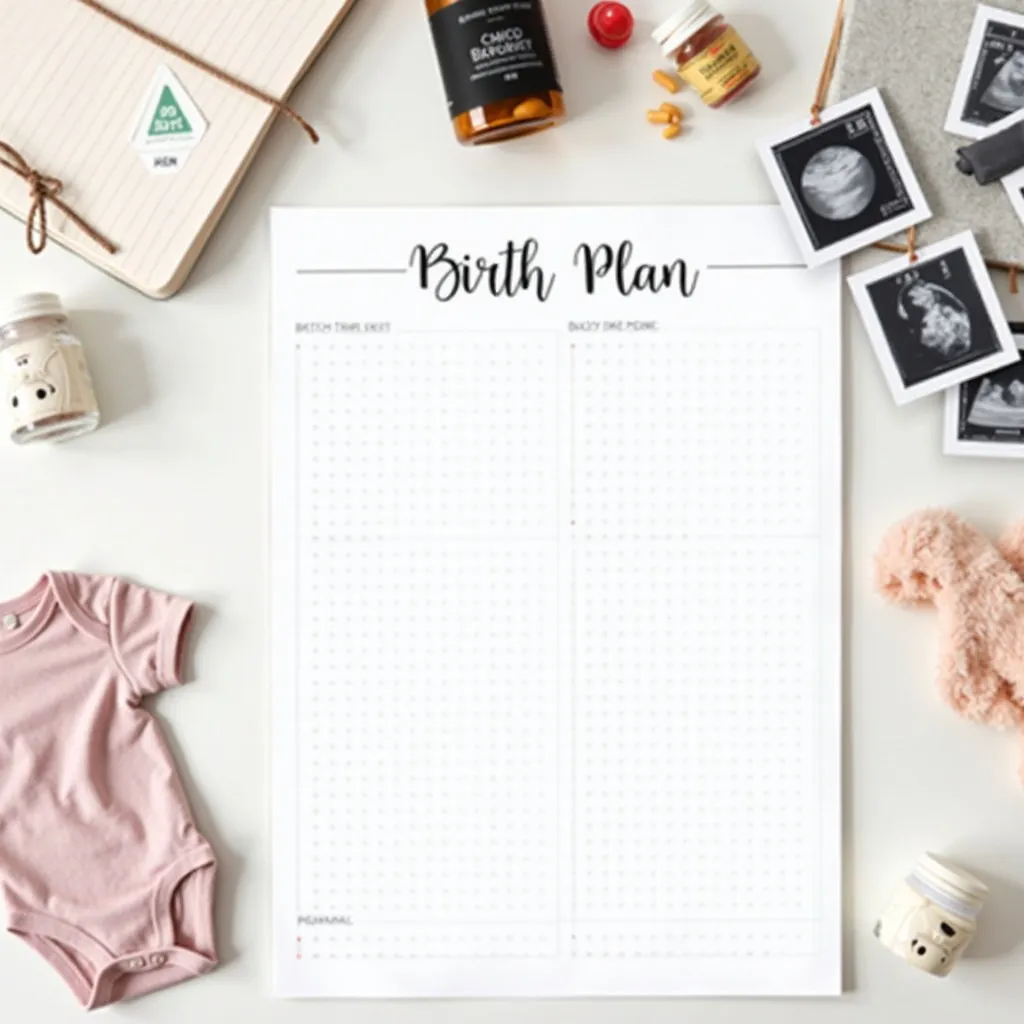
Why a Doula Is Critical for Your Childbirth Plan
Although many prospective mothers and fathers might view their birth plan a basic list, the addition of a doula can convert this document into a comprehensive roadmap for a positive birthing experience. Doulas provide psychological and bodily assistance, assisting parents express their preferences and navigate the complexities of labor. Their expertise can improve communication between the birthing team and the parents, ensuring that everyone is aligned with the birth plan.
The presence of a doula can ease anxiety, giving reassurance and comfort throughout labor. Parents are also empowered by a doula who provides evidence-based information, supporting informed decisions. A doula also helps with pain management methods and encourages a supportive atmosphere, potentially leading to better outcomes. When a doula is added to the birth plan, expectant parents create a more adapted and supportive framework that nurtures a positive environment, prioritizing both emotional and physical wellness of the birthing person.
Key Elements of a Birth Plan
A well-structured birth plan acts as an vital blueprint for expectant parents, presenting their wishes and expectations for labor and delivery. It should begin with the fundamentals, encompassing the birthplace, whether it be a hospital, birthing center, or home. Expectant parents should consider their preferred support group, indicating who will be present during labor and delivery.
Moreover, the birth plan needs to address pain management techniques, including medication choices or alternative methods such as breathing techniques and hydrotherapy. Additionally, it is important to communicate preferences about interventions, like episiotomy or the use of forceps.
Parents must assess initial bonding preferences, including skin-to-skin contact and breastfeeding intentions. Finally, the plan should be flexible, acknowledging that circumstances can change during labor. Teaming up with a doula can help guarantee information that the birth plan reflects the family's values while remaining fluid to the unfolding experience.
Key Considerations to Think About for Your Birth Preferences
What aspects should prospective parents emphasize when developing their birth plan? Above all, grasping their preferences regarding pain management is important. They should review options such as epidurals, natural methods, or a combination. Moreover, the environment where the birth will take place—hospital, birthing center, or home—should correspond with their personal values and comfort.
One more critical aspect is the importance of support people during childbirth, including companions, family, and doulas. Expectant parents should discuss how they envision these people contributing to the delivery process.
Furthermore, parents should evaluate their choices for interventions, such as the use of induction, continuous monitoring, or cesarean delivery. Finally, it's important to think through after-delivery strategies, including immediate physical bonding and lactation decisions. By focusing on these aspects, expectant parents can establish a thorough birth plan that reflects their principles and goals.
Making Your Preferences Known Clearly
Communicating preferences effectively is vital for expectant parents developing their birth plan. Explicit expression of objectives helps confirm that all participants—medical staff, partners, and doulas—grasp the parents' intentions for the birthing experience. Parents can start by detailing their priorities, such as pain relief options, labor positions, and newborn care protocols. Using plain speech and eliminating vague terms can better enhance understanding.
Visual tools or written materials may help in conveying key preferences concisely. Parents should also consider talking about their choices in a composed and assured manner, creating an environment of cooperation and mutual respect. It is crucial to keep in mind that adaptability may be required, as circumstances can change during labor. By establishing open dialogue from the start, expectant parents can build a supportive atmosphere that honors their wishes while staying open to the evolving process of childbirth.
Talking About Your Preferences and Circumstances With Your Doula
How can expectant parents guarantee their preferences are completely comprehended by their doula? Open dialogue is essential. Expecting couples should schedule specific moments to talk about their birth preferences, guaranteeing a thorough understanding of their desires and concerns. This conversation should cover various scenarios, including pain management options, labor positions, and early postpartum support.
Moreover, parents are able to compose a written document outlining their preferences, which functions as a reference for both the doula and the medical team. This document should be flexible, enabling modifications as circumstances progress during labor.
Engaging in different scenarios can be beneficial; it enables parents express their needs while preparing for unforeseen circumstances. In the end, frequent meetings with the doula throughout the pregnancy can reinforce understanding, fostering a supportive partnership that prioritizes the parents' vision for their birth experience. Open dialogue establishes the foundation for a positive and empowering birth journey.
Regularly Posed Questions
Does a Doula Provide Post-Birth Assistance?
A doula can provide substantial postpartum assistance, delivering emotional reassurance, hands-on help, and guidance for new parents. Their presence helps manage the challenges of early parenthood, promoting a smoother progression into family life.
What Should I Think About When Selecting My Doula?
Picking an suitable doula means considering qualifications, experience, compatibility, and personal philosophy. Interviews and references are indispensable to ensure a good match, as comfort and trust play critical roles in the birthing experience.
What if My Birthing Plan Changes Occur Unexpectedly?
Should a birth plan change unexpectedly, adaptability becomes important. Embracing flexibility permits parents to navigate unexpected challenges, confirming they remain knowledgeable and backed by their doula, who can provide comfort and support throughout the journey.
Are Doulas skilled in Medical Procedures?
Doulas are not educated in clinical techniques; their role focuses on psychological and bodily assistance during labor. They provide soothing techniques, guidance, and advocacy, ensuring a favorable delivery outcome while working alongside healthcare providers.
What is the average price of hiring a doula?
Doulas typically charge between $800 and $2,500, based on elements like experience, location, and services provided. This expense often comprises prenatal consultations, continuous labor support, and postpartum assistance, improving the birthing experience.