Essential Tips for Creating Your Delivery Plan With a Doula
Formulating a maternity plan in partnership with a doula is a significant step for parents-to-be. It empowers them to voice their choices and ready themselves for different scenarios. Open communication and teamwork are key to guaranteeing that the plan reflects their objectives. By understanding the important points of a birth plan, parents can traverse the complexities of labor with confidence. What are the fundamental elements that should not be disregarded?
Why a Doula Is Key for Your Delivery Plan
Although many expectant parents might consider their birth plan a basic list, the inclusion of a doula can convert this document into a comprehensive roadmap for a positive birthing experience. Doulas offer emotional and physical support, assisting parents express their preferences and manage the complexities of labor. Their expertise can enhance dialogue between the birthing team and the parents, ensuring that everyone is aligned with the birth plan.
Having a doula present can help anxiety by providing reassurance and comfort during labor. They also support parents by providing evidence-based information, enabling informed decisions. A doula also helps with pain management methods and encourages a supportive atmosphere, potentially leading to better outcomes. Expectant parents can design a more personalized and supportive birth plan by involving a doula, cultivating a positive atmosphere that emphasizes emotional and physical well-being of the birthing individual.
Fundamentals of a Delivery Plan
A carefully organized birth plan functions as an vital roadmap for parents-to-be, outlining their wishes and desires for childbirth. It should begin with the basics, such as the location of birth, whether it be a hospital, birthing center, or home. Parents should think about their preferred support group, detailing who will be there during childbirth.
Additionally, the birth plan should include pain management methods, such as preferred medications or alternative methods like breathing techniques and hydrotherapy. It is also important to communicate preferences regarding interventions, such as episiotomy or the use of forceps.
Parents should think about immediate post-birth wishes, including skin-to-skin contact and breastfeeding intentions. Finally, the plan should be flexible, recognizing that circumstances can change during labor. Working alongside a doula can help guarantee that the birth plan reflects the family's values while remaining flexible to the unfolding experience.
Top Aspects for Your Birth Preferences
What considerations should expectant parents focus on when formulating their birth plan? Chiefly, understanding their preferences concerning pain management is critical. They should weigh options such as epidurals, natural methods, or a combination. Additionally, the environment where the birth will take place—hospital, birthing center, or home—should fit with their professional advice comfort levels and values.
Another key factor is the importance of support people throughout childbirth, encompassing spouses, relatives, and doulas. Expectant parents need to discuss how they picture these people supporting the labor and delivery.
In addition, parents should examine their desires for clinical procedures, such as the use of artificial labor onset, real-time observation, or operative delivery. Finally, it's necessary to contemplate newborn care arrangements, including skin-to-skin contact and feeding choices. By placing emphasis on these considerations, expectant parents can establish a comprehensive birth plan that reflects their values and expectations.
Conveying Your Preferences in a Transparent Manner
Communicating preferences effectively is necessary for expectant parents developing their birth plan. Explicit expression of goals helps ensure that all parties involved—medical staff, partners, and doulas—grasp the parents' vision for the birthing experience. Parents can begin by enumerating their main concerns, such as pain relief options, labor positions, and newborn care protocols. Using straightforward language and avoiding vague terms can further improve understanding.
Visual tools or written materials may assist in communicating important preferences concisely. Parents should also consider discussing their choices in a calm and confident manner, creating an setting of collaboration and respect. It is important to keep in mind that flexibility may be necessary, as circumstances can shift during labor. By establishing open dialogue from the start, expectant parents can create a nurturing environment that honors their wishes while remaining open to the evolving process of childbirth.
Discussing Your Wishes and Situations With Your Doula
How can expectant parents guarantee their preferences are fully understood by their birth professional? Open dialogue is essential. Parents should reserve focused time to discuss their birth preferences, validating a thorough understanding of their expectations and apprehensions. This conversation should incorporate various scenarios, including pain control options, delivery positions, and immediate postpartum care.
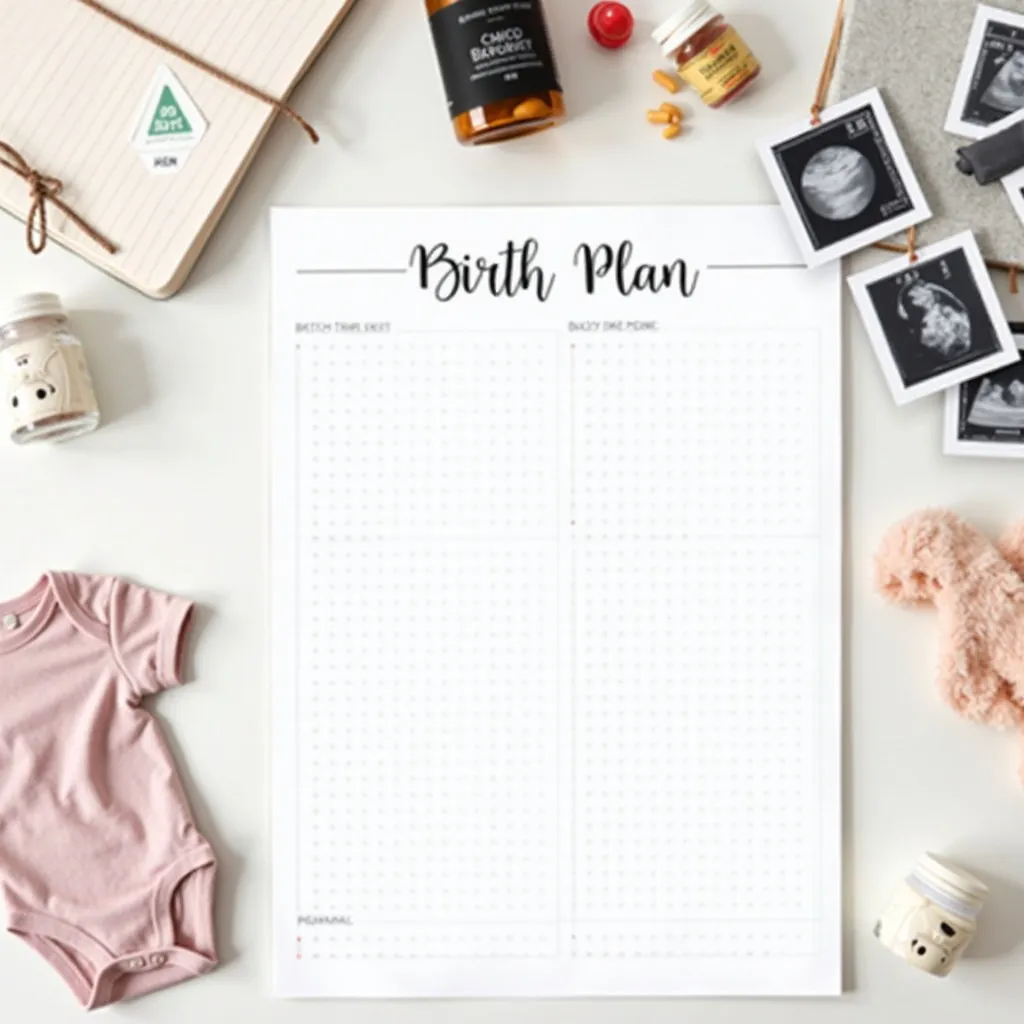
Additionally, parents are able to draft a written document outlining their wishes, which acts as a reference for both the doula and the medical team. This document should be adaptable, permitting adjustments as circumstances change during labor.
Engaging in different scenarios can prove beneficial; it enables parents express their needs while readying for unforeseen circumstances. Ultimately, regular check-ins with the doula throughout the pregnancy can reinforce understanding, fostering a supportive partnership that emphasizes the parents' vision for their birth experience. Clear communication establishes the foundation for a positive and empowering birth journey.
Common Questions Asked Often
Is a Doula Beneficial for Post-Delivery Support?
Doulas are able to deliver significant postpartum support, offering emotional reassurance, hands-on help, and guidance for new parents. Their involvement helps address the obstacles of early parenthood, promoting a more seamless progression into family life.
What's the Best Way to Pick a Doula That's Right for You?
Selecting an suitable doula means reviewing qualifications, experience, compatibility, and personal philosophy. Interviews and references are indispensable to ensure a good match, as comfort and trust play critical roles in the birthing experience.
What if My Birth Plan Changes Unexpectedly?
When a birth plan shifts suddenly, adaptability is crucial. Accepting flexibility permits parents to manage unexpected challenges, ensuring they remain knowledgeable and backed by their doula, who can provide comfort and support throughout the journey.
Do Doulas get trained in Medical Procedures?
Doulas are not educated in medical procedures; their role focuses on psychological and bodily assistance throughout childbirth. They provide soothing techniques, guidance, and representation, guaranteeing a positive birth experience while working alongside medical professionals.
How much does a doula usually charge?
A doula typically charges between $800 and $2,500, depending on factors such as experience, location, and services provided. This expense often includes prenatal meetings, ongoing labor assistance, and postpartum assistance, enhancing the birthing experience.